
In a recent discussion with Roger Huang, a prominent Bitcoin journalist and author, we delved into the intricate dynamics of financial freedom, control, and the evolving landscape of digital currencies. The conversation began with an introduction to Roger’s background, highlighting his work with major publications and his book “Would Mao Hold Bitcoin” which explores Bitcoin’s journey in China.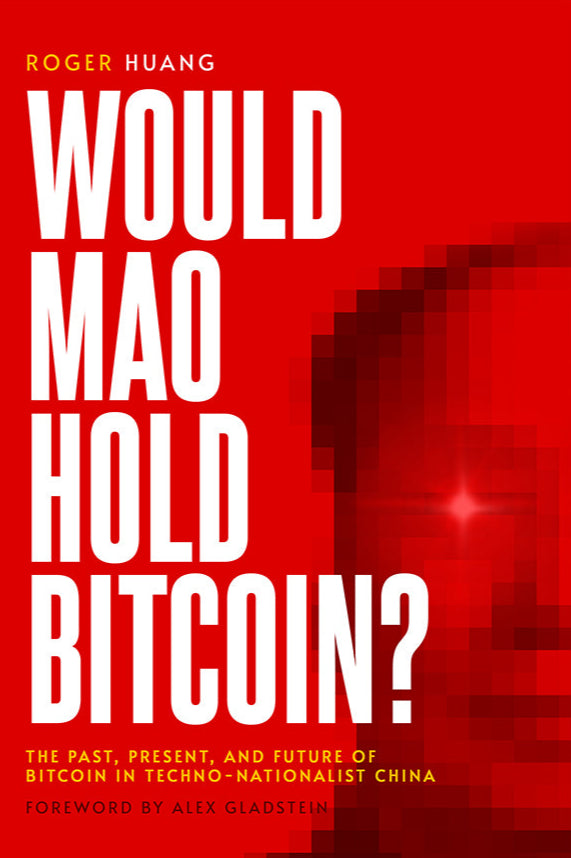
Discovering Bitcoin: A Personal Journey to Financial Freedom
Roger’s fascination with Bitcoin began in the Montreal tech scene, where he met early Bitcoin enthusiasts. His curiosity about their motivations and ideologies soon led him to write extensively about Bitcoin. Moreover, this exploration into cryptocurrency has been a continuous journey for Roger. Over time, he has uncovered many facets of Bitcoin’s impact on global economies and financial systems.
China’s Unique Relationship with Bitcoin
China’s history with Bitcoin is both complex and multifaceted. The country’s shift from a socialist to a market economy under Deng Xiaoping created a unique environment. This transition allowed Bitcoin to thrive in China. Additionally, China’s economic policies, especially its strict capital controls, have shaped the nation’s approach to digital currencies. Despite official bans, the Chinese people remain highly interested in Bitcoin. This interest is largely driven by their desire to bypass these controls and explore alternative investment opportunities.
The Impact of Capital Controls
China’s capital controls have acted as a double-edged sword. On one hand, they helped maintain the country’s capital account surplus. However, they have also created a restricted environment for investors. As a result, Chinese citizens are often limited to investing in local equities and real estate. Consequently, many have turned to Bitcoin and tether as alternative investments. This situation has led to a growing demand for financial assets that can bypass traditional restrictions. Thus, Bitcoin’s appeal as a tool for financial freedom has been highlighted.
The Role of Bitcoin Mining
Bitcoin mining has played a significant role in China’s engagement with cryptocurrency. Despite the official ban on mining, the activity continues in various forms, driven by China’s hardware manufacturing capabilities and stranded energy resources. The mining industry in China often operates in legal grey areas, with a complex relationship with authorities. This ongoing involvement in mining underscores China’s complex relationship with Bitcoin.
The Global Landscape of Digital Currencies
The discussion also touched on the broader implications of digital currencies, particularly central bank digital currencies (CBDCs). The digital yuan, China’s CBDC, has been a subject of global interest and scrutiny. Its implementation raises concerns about privacy, control, and the potential for government surveillance. Similar concerns are being debated in Europe with the upcoming digital euro. The conversation highlighted the differing CBDC approaches of China, Europe, and the U.S., with U.S. resistance due to privacy and politics.
The Future of Financial Freedom
As digital currencies rise, the conversation stressed financial freedom’s importance and the risks of centralized control. The ongoing debates around CBDCs and Bitcoin underscore the tension between state control and individual liberty. Roger’s insights offer a valuable perspective, highlighting the broader implications of our financial choices.
To sum up, as digital currencies continue to evolve, they will undoubtedly shape the future of economies worldwide. Stay tuned for insights and detailed analysis on the latest trends in cryptocurrency and digital finance.
